You Don’t Need More Marketing Vendors. You Need a System AI Can Find.
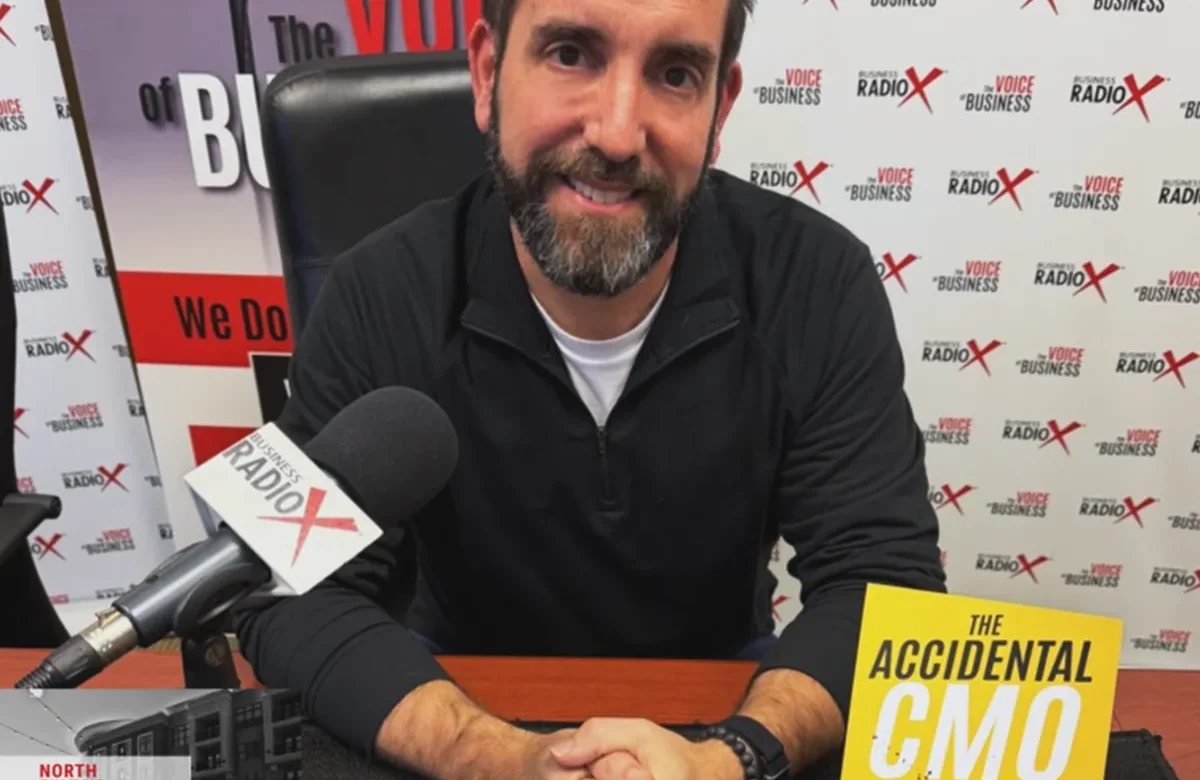
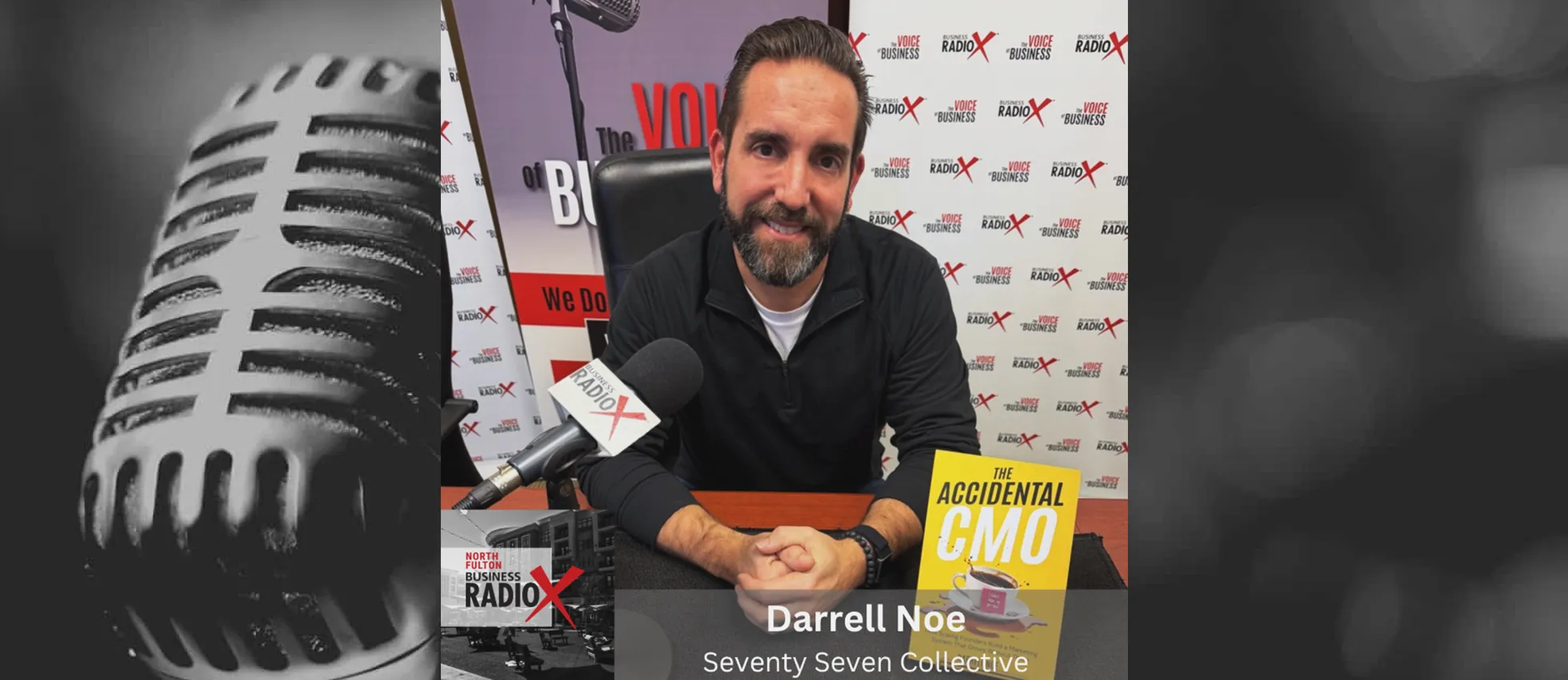
I recently sat down with John Ray on North Fulton Business Radio to talk about two things I can’t stop talking about: getting your business recommended by AI, and the very large club of people who never applied for the job of running marketing but got it anyway. John was a fantastic host, and at no point did anyone ask me to read a mattress ad, so I’m calling it a career highlight.
Listen to the full episode here, or keep reading for the parts I’d tattoo on every small business owner’s forearm if they’d let me.
AI gives your customer a shortlist of about three. Are you on it?
When someone asks ChatGPT, Gemini, or Perplexity for a recommendation, they don’t get ten blue links and an afternoon of browsing. They usually get three or four names. That’s the entire shortlist, and the customer tends to treat it like a trusted friend’s advice.
So the question has changed. It used to be “what page do we rank on?” and now it’s “do we get mentioned at all?” If you’ve never checked, I wrote about why most businesses are surprised by the answer in Your Website Is Invisible. And You Don’t Even Know It.
What AI-recommended websites have in common
On the show I walked through the three things we see over and over on sites that AI likes to recommend:
- They talk about the customer’s problem and the solution in plain language. AI is trying to match a question to an answer. If your homepage is a wall of “innovative solutions for tomorrow,” you’ve given it nothing to match.
- They put FAQs on the homepage and key service pages. Most businesses bury their FAQs on one lonely page nobody visits. AI tools love a clear question with a clear answer, so give them plenty, right where they’re looking.
- They use schema markup. Schema is the behind-the-scenes code that tells AI crawlers what your business is, what you sell, and what your FAQs say. Your visitors never see it, and the robots read it first.
None of this requires a full rebuild. It requires knowing where the gaps are, which is exactly why we built our free AI Visibility Check.
SEO and AEO play on the same team
A lot of owners hear “answer engine optimization” and assume they need to fire their SEO person and start over. Please don’t. AI tools still lean on the same signals search engines have rewarded for years: a fast, crawlable site, strong content, real reviews, and a clear reputation across the web. AEO builds on that foundation and shapes it into answers AI can lift and repeat.
If you want the deeper breakdown, read The Difference Between Traditional SEO and AI Search Optimization and Reviews Are the New Backlinks. This is the work our Visibility Booster engine is built to do.
Meet the Accidental CMO (you might be one)
In companies with four to ten people, marketing almost always lands on whoever happens to be standing closest to it. Usually that’s the founder, the finance person, or the top salesperson. Nobody hands them a playbook. They just inherit a website login, a few vendor invoices, and a vague sense of guilt.
That’s who I wrote The Accidental CMO for. It’s the guide I wish someone had handed those folks on day one, so they can make smart calls without pretending to be a full-time marketer.
Three agencies, three reports, zero accountability
Here’s a pattern I see constantly: one vendor runs social, another runs email, a third runs paid ads. Each one sends a nice report every month. Each report says things are going great. And somehow revenue hasn’t moved.
That happens because nobody owns the whole picture. Lots of activity, no accountability. At 77co we plan strategy quarterly so every channel supports the others, which is the core idea behind Stop Planning Campaigns. Start Planning Systems.
The math that makes “expensive” customers a bargain
John and I also got into customer lifetime value, which is the number most small businesses skip straight past. If it costs you $50 to acquire a customer whose first purchase is $20, that looks like a bad trade. But if retention and good follow-up turn that customer into repeat business, that same $50 can be one of the best investments you make. And for higher-priced B2B services, you can justify paying a lot more to win a client.
The lesson: know what a customer is worth over time before you decide what you can afford to pay for one. If that conversation sounds uncomfortable, The Marketing Budget Meeting Nobody Wants to Have is a good next read.
Frequently asked questions
What is answer engine optimization (AEO)? AEO is the practice of structuring your website and online presence so AI tools like ChatGPT, Gemini, and Perplexity can understand your business and recommend it when someone asks a relevant question.
How many businesses does AI usually recommend? Typically three or four per question, which is why being on that short list matters so much more than ranking somewhere on page two.
Do I need to replace my SEO strategy to show up in AI answers? No. Strong SEO is the foundation AI search builds on. AEO adds clear problem-and-solution messaging, FAQs on key pages, and schema markup on top of it.
What is schema markup? It’s structured code added to your site that tells search engines and AI crawlers exactly what your business is, what you offer, and what your FAQs say.
Who is The Accidental CMO for? Owners, finance leads, and salespeople at smaller companies who ended up responsible for marketing without a background in it.
Want to know if AI can find you?
Run our free AI Visibility Check and see where you stand in a few minutes. Then grab a copy of The Accidental CMO, and give the full episode a listen. Huge thanks to John Ray and the North Fulton Business Radio crew for having me.